How Often Chimneys Should Be Inspected And Cleaned
To ensure safety and efficiency, local contractors can help determine how often chimneys should be inspected and cleaned based on your usage and chimney condition.
Understanding how often chimneys should be inspected and cleaned is essential for property owners who want to maintain safe and efficient heating systems. Regular inspections help identify potential issues early, preventing costly repairs and reducing fire risks, especially during peak heating seasons. Local contractors who specialize in chimney services can assess the condition of a chimney, recommend the appropriate cleaning schedule, and ensure it operates safely throughout the year. Staying informed about recommended maintenance intervals can make a significant difference in preserving the longevity and performance of a chimney system.
For property owners in the area, exploring this topic is a practical step toward safeguarding their homes and ensuring optimal fireplace or stove operation. Factors such as usage frequency, type of fuel, and age of the chimney influence how often inspections and cleanings are needed. Connecting with experienced service providers can help determine the right maintenance routine tailored to specific needs. Keep reading to learn more about recommended schedules and how local experts can assist in keeping chimneys safe and functioning properly.
- Chimney Inspection and Cleaning - homeowners with annual fireplace use should schedule inspections and cleanings to ensure safety and efficiency, with local contractors providing thorough assessments.
- Chimney Inspection and Cleaning - after experiencing smoke backups or visible creosote buildup, local pros can perform detailed inspections and cleanings to prevent fire hazards.
- Chimney Inspection and Cleaning - properties with infrequent use may still benefit from periodic inspections to identify potential issues before they become costly repairs, handled by local service providers.
- Chimney Inspection and Cleaning - before installing a new heating appliance or after recent renovations, local contractors can inspect and clean chimneys to meet safety standards.
- Chimney Inspection and Cleaning - homes in areas prone to weather-related damage or with older chimneys should schedule regular inspections and cleanings from local pros to maintain proper function.
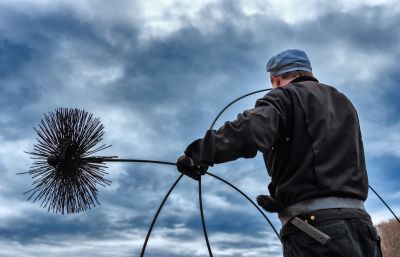
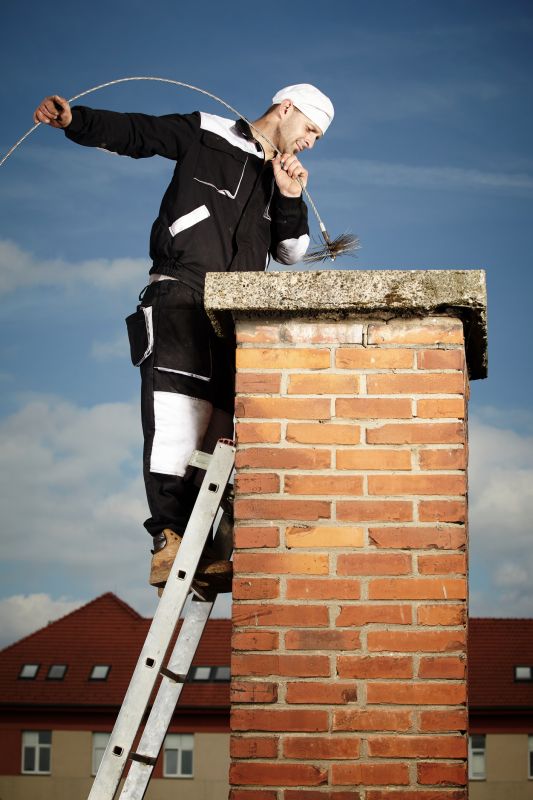
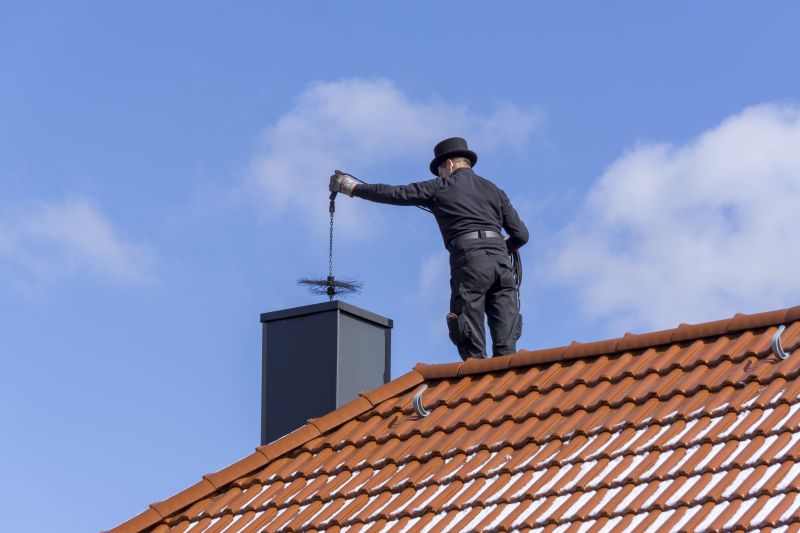
When homeowners search for information about how often chimneys should be inspected and cleaned, they are typically trying to determine the best maintenance schedule to keep their fireplaces and heating systems operating safely and efficiently. This topic often relates to concerns about fire hazards, creosote buildup, and the overall safety of using a fireplace or stove. People may also be planning seasonal upgrades or preparing for colder months, prompting questions about the necessary steps to ensure their chimneys are in proper condition. Understanding the recommended inspection and cleaning intervals helps homeowners avoid costly repairs, prevent dangerous blockages, and maintain the longevity of their chimney systems.
The frequency of chimney inspections and cleanings usually depends on how often a property is used and the type of fuel burned. For example, homes that rely on wood-burning fireplaces or stoves generally require more frequent inspections-often annually-due to the accumulation of creosote, which is highly flammable. Gas fireplaces tend to need less frequent inspections unless issues arise or there are specific manufacturer recommendations. Additionally, properties with multiple fireplaces, older chimneys, or those located in areas with high levels of soot or debris may benefit from more regular maintenance checks. These considerations are especially relevant for homeowners planning to use their fireplaces regularly or those preparing for winter use.
The types of properties that typically come up in discussions about how often chimneys should be inspected and cleaned include single-family homes, vacation cabins, and multi-unit residential buildings. Each property type presents unique usage patterns and maintenance needs. For instance, a primary residence with a wood stove might require annual inspections, while a seasonal cabin used sporadically might need less frequent checkups. Commercial or multi-family buildings with multiple chimneys often have more rigorous maintenance schedules to ensure safety and compliance with local regulations. Local contractors who specialize in chimney services can assess these different property types and recommend appropriate inspection and cleaning routines based on their specific characteristics and usage.
Engaging with local chimney inspection and cleaning service providers is a practical step for homeowners seeking to maintain their chimneys properly. These professionals can evaluate the condition of a chimney, identify potential problems like creosote buildup or structural issues, and perform thorough cleanings when necessary. Regular inspections help catch early signs of trouble before they escalate into costly repairs or safety hazards. Whether a property is used seasonally or year-round, working with experienced local contractors ensures that the chimney is maintained according to best practices. This proactive approach supports safe, efficient operation and peace of mind for homeowners planning their maintenance schedule around how often chimneys should be inspected and cleaned.
Chimney Repair Projects - These projects involve assessing and fixing structural issues that can impact the safety and efficiency of chimneys, complementing regular inspection and cleaning routines.
Fireplace Installation Services - Proper installation of fireplaces requires planning and knowledge similar to chimney maintenance, ensuring safe operation and proper venting.
Ventilation System Upgrades - Upgrading or installing ventilation systems involves understanding airflow and exhaust pathways, which are related to maintaining chimney performance.
Flue Liner Replacement - Replacing or repairing flue liners is a specialized task that ensures proper venting, aligning with the importance of regular chimney inspections.
Masonry Restoration Projects - Restoring and repairing chimney masonry requires planning and skill comparable to cleaning and inspecting chimneys for safety and durability.
Gas Fireplace Servicing - Servicing gas fireplaces involves inspecting venting systems and ensuring safe operation, similar to the focus of chimney inspection and cleaning services.
When comparing chimney inspection and cleaning service providers, it is important to consider their experience with similar projects. Homeowners should seek out local contractors who have a proven track record of handling chimney maintenance for homes comparable in size and design. An experienced service provider will understand the nuances of different chimney systems and be better equipped to identify potential issues that could impact how often chimneys should be inspected and cleaned. This familiarity can help ensure that the work is thorough and tailored to the specific needs of the home, reducing the risk of overlooked problems that might lead to more significant repairs later on.
Clear written expectations are essential when evaluating potential service providers. Homeowners should look for contractors who provide detailed descriptions of their inspection and cleaning procedures, including what is included in the service, how the work will be performed, and any recommendations for frequency based on the chimney’s condition and usage. Having this information in writing helps establish a mutual understanding of the scope of work and allows for more informed decisions about how often inspections and cleanings should occur. It also provides a reference point for future service visits, ensuring consistency and clarity over time.
Reputable references and good communication are key indicators of a reliable service provider. Homeowners are encouraged to seek out local contractors who can provide references from previous clients or demonstrate positive feedback within the community. Good communication involves responsiveness, clarity, and transparency throughout the process, helping homeowners feel confident in the service provider’s professionalism. When a contractor listens carefully, answers questions thoroughly, and explains their recommendations clearly, it becomes easier to determine if they are well-equipped to manage the ongoing maintenance of the chimney system and advise on appropriate inspection and cleaning schedules.
Property owners often search for how often chimneys should be inspected and cleaned when they are planning practical projects around their homes and businesses. Local pros provide Chimney Inspection and Cleaning services for everyday jobs and straightforward project options.
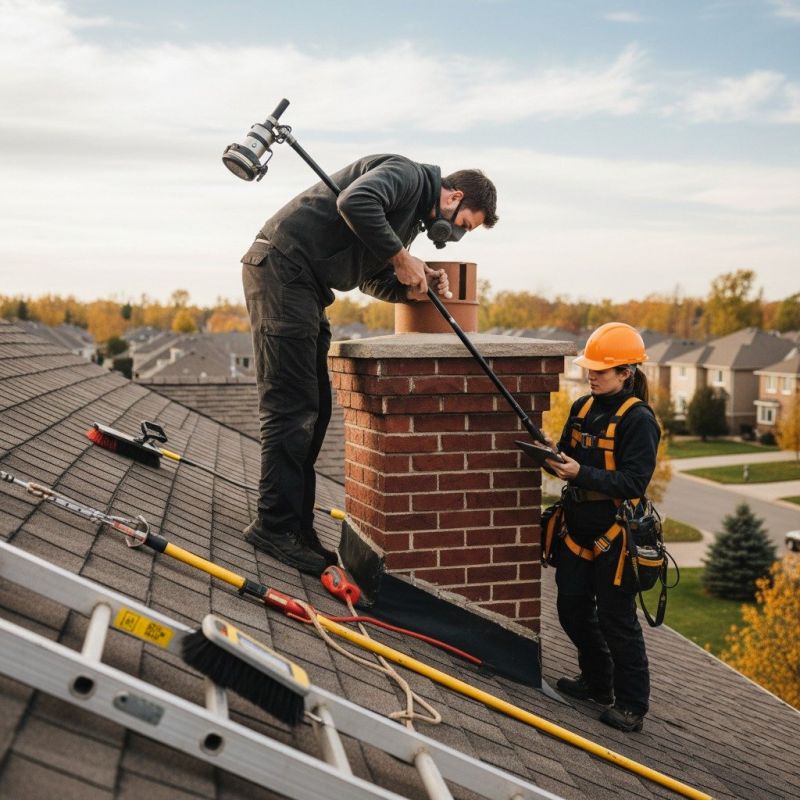
Understanding how often chimneys should be inspected and cleaned is a common concern for property owners, especially those who rely on fireplaces or wood stoves during colder months. Regular inspections help identify potential issues like creosote buildup, blockages, or damage that could affect safety and efficiency. Many property owners in the area turn to local contractors who specialize in chimney services to ensure their chimneys remain in good condition and operate safely throughout the year.
In general, scheduling chimney inspections and cleanings at appropriate intervals can prevent costly repairs and reduce safety risks. For homes with frequent use or older chimneys, more regular visits might be recommended. Local service providers can assess individual needs and provide the necessary maintenance to keep chimneys functioning properly. Connecting with experienced contractors ensures that inspections and cleanings are performed thoroughly, helping property owners maintain a safe and efficient heating system.
How often should chimneys be inspected? It is generally recommended to have chimneys inspected at least once a year by local contractors to identify any potential issues and ensure safe operation.
When should chimneys be cleaned? Chimneys should typically be cleaned when there is a buildup of creosote or soot, often after several months of regular use, with local service providers able to assess the appropriate frequency.
Are there specific factors that influence inspection and cleaning frequency? Yes, factors such as the type of fuel used, frequency of use, and the presence of animals or obstructions can affect how often inspections and cleanings are needed, which local pros can evaluate.
Can a chimney be inspected more frequently than once a year? Yes, if the chimney is used heavily or shows signs of problems, local contractors may recommend more frequent inspections and cleanings to maintain safety and efficiency.
What signs indicate that a chimney needs cleaning or inspection? Signs include smoke backups, unpleasant odors, visible creosote buildup, or obstructions, prompting a consultation with local service providers for proper assessment.
Regular inspection schedule - property owners can plan routine chimney inspections with local contractors to ensure safety and efficiency, especially before and after heavy use seasons.
Cleaning frequency considerations - understanding how often chimneys should be inspected and cleaned helps homeowners coordinate with service providers for preventative maintenance.
Seasonal maintenance planning - scheduling inspections and cleanings in the fall or spring with local pros can prevent buildup and detect issues early.
Addressing specific concerns - homeowners experiencing smoke problems or odors can benefit from timely inspections to identify and resolve potential blockages or damage with the help of local contractors.
If you are thinking about how often chimneys should be inspected and cleaned for a property, this guide is meant to help you understand this topic, the typical project types, and how different options might fit your plans.
When you are ready, you can use the quote form on this page to share a few details about your project. From there, local pros can review the basics and follow up with options that match what you have in mind.