Common Chimney Problems Found During Inspections
Finding common chimney problems during inspections helps ensure safety and efficiency, and local contractors can accurately identify and fix issues to keep your chimney in top condition.
Homeowners in the area often find that regular chimney inspections are essential for maintaining safety and ensuring efficient operation. During these inspections, common chimney problems found can include creosote buildup, cracked or damaged flue liners, and obstructions like debris or animal nests. Recognizing these issues early can prevent more costly repairs down the line and keep your fireplace or stove functioning safely. Local contractors who specialize in chimney inspections are equipped to identify these problems and provide practical solutions tailored to the specific needs of properties in the community.
Understanding what issues are commonly uncovered during inspections can help property owners stay proactive about chimney maintenance. Problems such as deteriorated mortar joints, rusted dampers, or moisture damage are frequent finds that might not be immediately visible without a thorough examination. Connecting with experienced service providers in the area ensures that these common issues are properly diagnosed and addressed, helping to maintain the integrity of the chimney system. Keep reading to learn more about how local professionals can assist with inspections and ongoing chimney care.
- Chimney Crown Damage - homeowners noticing cracked or deteriorated crowns may need inspections to assess structural integrity and prevent water infiltration, with local contractors evaluating the extent of damage.
- Creosote Buildup - during inspections, professionals identify excessive creosote that can pose fire hazards, offering cleaning solutions to ensure safe chimney operation.
- Chimney Blockages - if smoke is backing up or odors are present, local pros can inspect for obstructions like nests or debris that hinder proper venting.
- Brick and Masonry Issues - visible cracks or crumbling mortar during inspections signal the need for repairs to maintain the chimney’s stability and safety.
- Flue Liner Problems - inspections can reveal cracked or damaged flue liners, with local service providers offering repairs or replacements to ensure proper venting and safety.
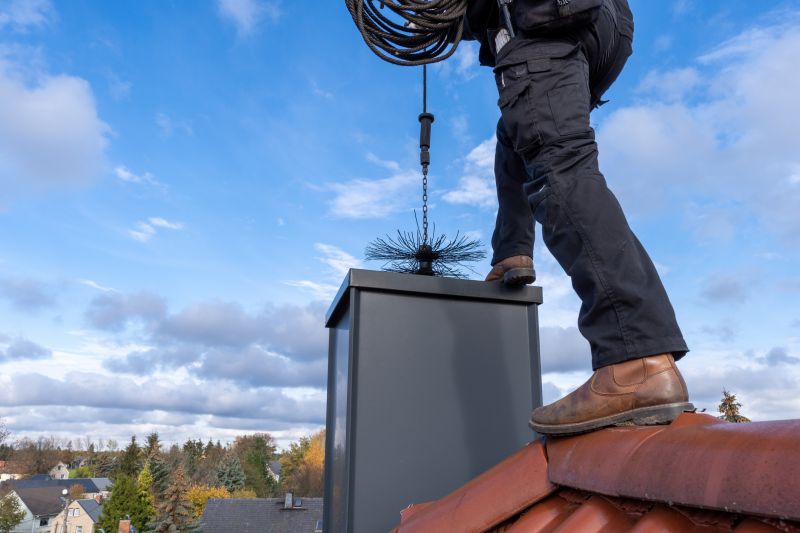
Understanding common chimney problems found during inspections helps homeowners identify potential issues that could impact the safety and efficiency of their heating systems. When searching for this topic, many people are interested in learning about the typical defects or damage that can develop over time in a chimney structure. These problems often relate to the deterioration of materials, blockages, or structural weaknesses that may not be immediately visible but can pose serious risks if left unaddressed. Recognizing these common issues provides a clearer picture of what to expect during an inspection and highlights the importance of professional evaluations to catch problems early before they escalate.
The types of problems uncovered during chimney inspections usually fall into several categories. Common issues include cracked or crumbling mortar joints, which can weaken the overall structure; the buildup of creosote or soot that increases fire risk; and the presence of obstructions such as bird nests or debris that hinder proper venting. Additionally, signs of water damage, such as rusted metal components or stained masonry, are frequently noted. These problems can affect any part of the chimney, from the flue liner to the crown, and often develop gradually due to weather exposure, usage patterns, or age. Inspections aim to identify these issues before they develop into more serious hazards or lead to costly repairs.
Properties that typically come up during inspections include a wide range of residential homes, especially those with traditional fireplaces or wood-burning stoves. Older homes tend to have more frequent issues due to aging materials and less modern construction standards, but even newer properties can experience problems if the chimney was not properly maintained or constructed. Multi-story houses, historic properties, and homes in areas with harsh weather conditions often require more frequent inspections to monitor for damage. Commercial buildings with chimneys or venting systems may also be inspected to ensure compliance and safety. Local service providers understand the specific needs of different property types and can tailor their inspections accordingly.
For homeowners, understanding common chimney problems found during inspections emphasizes the importance of regular evaluations by experienced service providers. These professionals can thoroughly assess the condition of the chimney, identify issues early, and recommend appropriate repairs or maintenance. Since many problems are hidden behind walls or within the structure, relying on local pros for inspections ensures that potential hazards are caught before they cause damage or safety concerns. Connecting with qualified service providers makes it easier to maintain the integrity of the chimney system, protect the property, and ensure safe operation during the heating season.
Chimney Repair Projects - These projects involve fixing structural issues or damage identified during inspections, utilizing similar planning and repair skills as chimney problem assessments.
Flue Liner Installation - Proper flue liner installation requires understanding of chimney systems, making it related to identifying and addressing common chimney issues during inspections.
Chimney Waterproofing - Waterproofing work involves planning and applying protective treatments, paralleling the evaluation of moisture-related problems found during inspections.
Masonry Restoration - Restoring damaged brickwork or mortar involves similar skills to diagnosing and repairing chimney structural problems uncovered during inspections.
Chimney Sweeping and Cleaning - Regular cleaning services share the inspection process's attention to detail, helping identify potential issues before they develop into major problems.
Ventilation System Upgrades - Upgrading chimney ventilation systems requires assessment skills similar to those used in inspecting for common chimney problems during inspections.
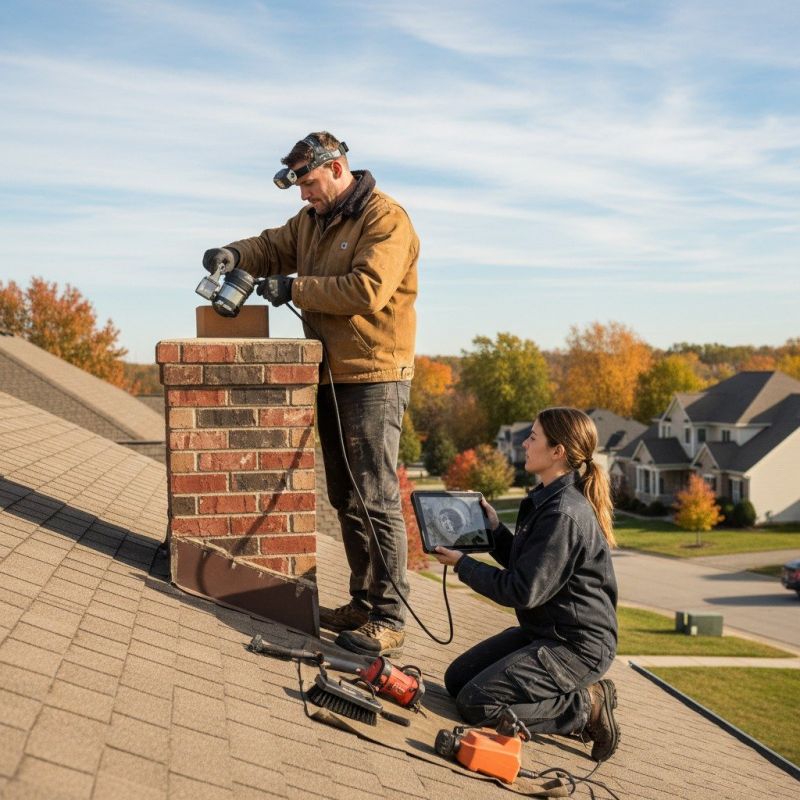
When evaluating local contractors for chimney inspection services, it’s important to consider their experience with similar projects, especially those involving common chimney problems found during inspections. A contractor with a proven track record handling issues like creosote buildup, cracked flue liners, or damaged masonry can provide more reliable assessments. Asking about their previous work on projects comparable in scope and complexity can help ensure they understand the specific challenges that may arise during an inspection, leading to more thorough and accurate evaluations.
Clear, written expectations are essential when choosing a service provider for chimney inspections. A reputable contractor should be able to outline what the inspection will cover, including identifying potential problems such as blockages, deterioration, or structural issues. This documentation helps establish a mutual understanding of the scope of work and ensures that both parties are aligned on what to expect. Having these expectations in writing can also serve as a reference point if questions or concerns arise later in the process.
Good communication and reputable references are key factors when comparing local contractors for chimney inspection services. Service providers who are transparent about their process and willing to share references or testimonials can give confidence in their professionalism and quality of work. Clear, prompt communication throughout the inspection process can help address questions or concerns efficiently, making it easier to understand the findings and recommended next steps. Choosing a contractor with a reputation for reliable communication and positive references can contribute to a smoother experience and better outcomes for addressing common chimney problems identified during inspections.
Property owners often search for common chimney problems found during inspections when they are planning practical projects around their homes and businesses. Local pros provide Chimney Inspection services for everyday jobs and straightforward project options.
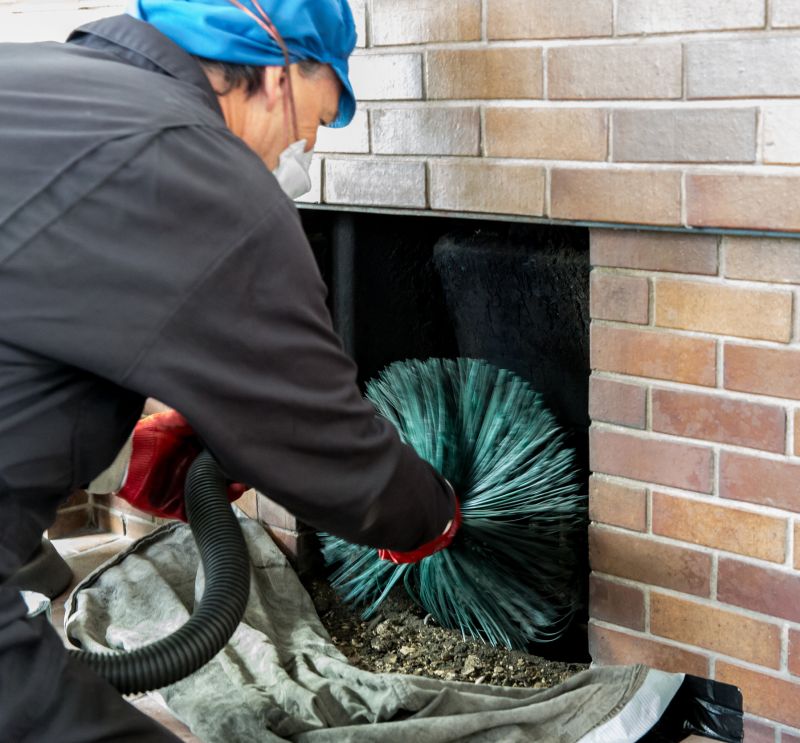
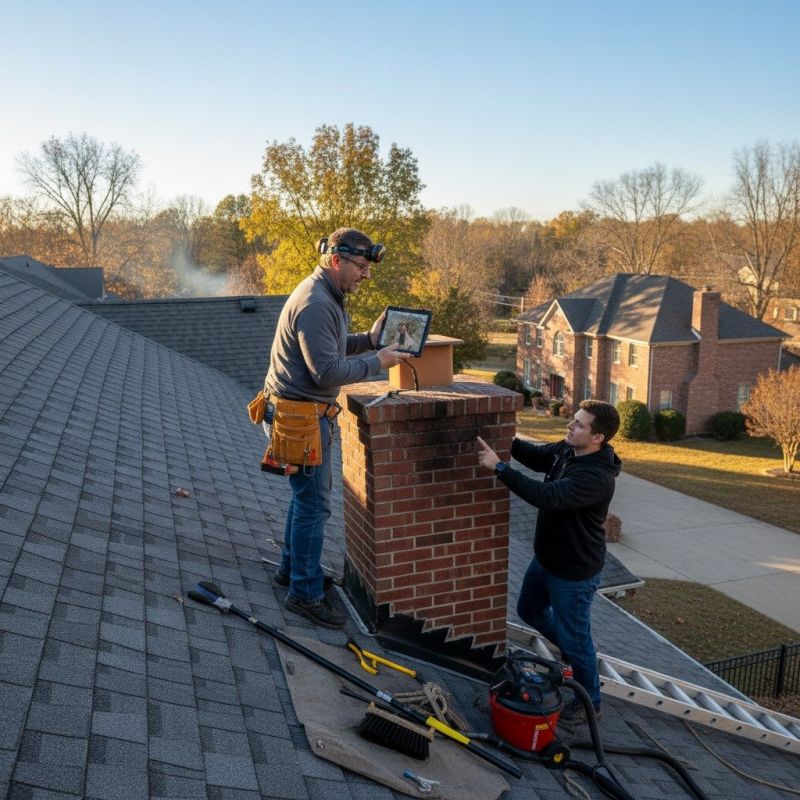
Understanding common chimney problems found during inspections can help property owners recognize potential issues early and prevent costly repairs or safety hazards. During routine inspections, professionals often identify issues such as damaged mortar joints, cracked chimney crowns, or deteriorated flue liners. These problems can develop over time due to weather exposure, age, or lack of maintenance, making it important for homeowners to have regular checkups. Local contractors experienced in chimney inspections can assess these issues, recommend necessary repairs, and ensure the chimney functions safely and efficiently.
Property owners in the area might seek out chimney inspection services after noticing signs like smoke odors inside the home, draft problems, or visible damage to the chimney structure. Inspections can reveal less obvious issues such as creosote buildup, blockages, or loose bricks that could pose fire risks or reduce the chimney’s effectiveness. Connecting with local service providers who specialize in chimney inspections allows homeowners to address these common problems promptly, helping to maintain a safe and reliable heating system during colder months.
What are common chimney problems found during inspections? Common issues include cracked or damaged masonry, creosote buildup, obstructions such as debris or animal nests, and deteriorated flashing or crown seals.
How can inspections identify chimney blockages? Inspections often reveal obstructions like bird nests, leaves, or debris that can restrict airflow and pose fire hazards, which local contractors can safely remove.
Why is creosote buildup a concern during chimney inspections? Creosote is a flammable residue that accumulates from burning wood; inspections help detect excessive buildup that could increase the risk of chimney fires.
What are signs of structural damage found during inspections? Signs include cracked or crumbling mortar, damaged bricks, or rusted flashing, all of which can compromise chimney integrity and require repair by service providers.
How do inspections detect issues with chimney caps and flashing? Inspections check for missing, damaged, or improperly sealed caps and flashing, which can lead to water leaks or animal entry, and can be repaired or replaced by local contractors.
Creosote buildup - Regular chimney inspections can identify creosote deposits that may pose fire risks, helping property owners schedule professional cleaning when needed.
Cracked or damaged chimney crowns - Detecting crown damage during inspections allows for timely repairs to prevent water intrusion and further structural issues.
Obstructed flues or venting systems - Inspections can uncover blockages or improper venting that affect chimney performance and safety, with local contractors providing necessary fixes.
Deteriorated mortar and brickwork - Recognizing worn-out mortar joints or cracked bricks enables property owners to plan for repointing or repairs to maintain chimney integrity.
If you are thinking about common chimney problems found during inspections for a property, this guide is meant to help you understand this topic, the typical project types, and how different options might fit your plans.
When you are ready, you can use the quote form on this page to share a few details about your project. From there, local pros can review the basics and follow up with options that match what you have in mind.